What the Elf Svg: A Technical Guide to Multi-Format Design Assets
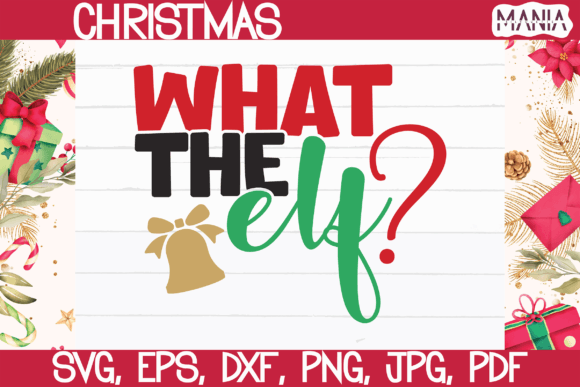
In the evolving landscape of digital fabrication and graphic design, the utility of a single asset is often defined by its versatility across different platforms. When creators search for What the Elf Svg, they are frequently looking for more than just a festive graphic; they are seeking a comprehensive design solution that bridges the gap between hobbyist crafting and professional vector editing. The value of such a resource lies not merely in the aesthetic appeal of the artwork but in the technical architecture of the file pack itself. Understanding the specific roles of SVG, PNG, EPS, JPEG, DXF, and PDF formats allows users to maximize their output quality, whether they are operating a commercial print shop or creating personalized gifts at home.
The Anatomy of a Comprehensive Design Pack
A premium design asset is distinguished by the inclusion of multiple file types, each serving a distinct function within the creative workflow. This specific collection includes six unique formats, ensuring compatibility across virtually every major software and hardware platform available today. Recognizing when and why to use each format is essential for achieving professional results.
Vector Formats for Precision and Scalability
The core of this pack consists of vector-based files, specifically the SVG, EPS, and DXF formats. These are mathematically defined graphics composed of paths rather than pixels, which grants them infinite expandability. This characteristic means the design can be resized from a small logo on a baby shirt to a massive mural without any loss of fidelity or pixelation.
- SVG (Scalable Vector Graphics): Perfectly designed for Cricut and Silhouette Studio, this web-standard vector format retains layer information. It allows cutting machines to recognize individual colors and cut lines automatically, streamlining the production process for multi-layered projects.
- EPS (Encapsulated PostScript): Included specifically for editing purposes, EPS is the industry standard for professional vector software like Adobe Illustrator. It preserves complex gradients, strokes, and typography, allowing designers to modify the source art extensively before exporting to other formats.
- DXF (Drawing Exchange Format): This format ensures broader compatibility with older versions of Silhouette Studio (Basic Edition) and various CAD programs. It serves as a universal translator for vector data, making it indispensable for users who may not have access to premium software subscriptions.
Raster Formats for Digital and Sublimation Use
While vectors handle cutting and scaling, raster formats are necessary for direct printing, digital mockups, and heat transfer applications where pixel density matters more than path geometry.
- PNG (Portable Network Graphics): Provided with a transparent background, this high-resolution raster file is ideal for sublimation printing, web design, and overlaying onto textured backgrounds. The transparency eliminates the need for manual background removal, saving significant post-processing time.
- JPEG (Joint Photographic Experts Group): Specifically optimized for Iron-On Machines and direct-to-garment printers, this flattened image format is universally recognized by legacy hardware. While it lacks transparency, its color profile management makes it reliable for heat press applications where the substrate color provides the contrast.
- PDF (Portable Document Format): Containing all clip arts in one place, the PDF acts as both a catalog and a printable reference sheet. For educators and researchers, this format offers a standardized view of the assets that remains consistent across all devices and operating systems.
Technical Integrity and Layer Organization
Beyond file format diversity, the structural integrity of the design files determines their usability in production environments. Meticulously crafted by designers, these assets feature well-defined, continuously tested layers. In the context of What the Elf Svg, proper layering is not a luxury; it is a functional necessity.
For users of Cricut Explore or Silhouette Cameo, organized layers translate directly to efficient weeding and assembly. If a design is poorly constructed with open nodes or overlapping stray points, the cutting machine may pause, miscut, or ruin expensive material. This pack addresses those pain points by ensuring every node is closed and every layer is logically grouped. This level of quality control reduces waste and increases throughput for business owners managing tight deadlines. Furthermore, for professionals using Adobe After Effects or Flash, clean layer separation allows for immediate animation rigging without the tedious process of reconstructing the artwork from scratch.
Cross-Platform Compatibility and Software Integration
The true measure of a digital asset's worth is its interoperability. This pack is engineered to eliminate the friction often associated with proprietary file ecosystems. By supporting a vast array of software, it empowers users to choose tools based on project requirements rather than file limitations.
Cutting Machine Ecosystems
Compatibility extends beyond the market leaders. While fully optimized for Cricut Explore and Silhouette Studio, the files also integrate seamlessly with Make The Cut and Sure Cuts A Lot. This broad support ensures that users are not locked into a single hardware manufacturer. For small business owners who utilize multiple machine brands to handle different volumes or materials, having a single source file that works across the entire fleet simplifies inventory and asset management.
Professional Creative Suites
For graphic designers and illustrators, the ability to open these files in Adobe Illustrator, Photoshop, and even 3D editing software transforms a simple clip art pack into a foundational design element. A designer might import the EPS file into Illustrator to recolor the palette for a corporate holiday campaign, then export a high-res PNG for social media and an SVG for vinyl window decals. This flexibility removes the limitations of cartridges and pre-set libraries, granting complete creative control. Additionally, compatibility with 3D software opens avenues for texture mapping and UV unwrapping, allowing the 2D elf design to be applied to 3D printed ornaments or digital game assets.
Practical Applications Across User Segments
The versatility of these files supports a wide demographic, from casual hobbyists to institutional researchers. Understanding how different groups leverage these assets highlights their practical relevance.
Educators and Researchers
In educational settings, visual aids are critical for engagement. Educators can utilize the PDF and PNG files to create custom worksheets, presentation slides, and classroom decorations. Because the files are infinitely scalable, a single download can serve as a small icon on a handout or a large banner for a school event. Researchers focusing on folklore, cultural studies, or design history may use these meticulously organized assets as visual references or case studies in digital asset management, appreciating the technical documentation and layer structure as examples of modern vector standards.
Small Business Owners and POD Sellers
For Print-on-Demand (POD) sellers and craft entrepreneurs, time is money. The pre-tested nature of these files means less time troubleshooting cut lines and more time fulfilling orders. The inclusion of JPEG files specifically for iron-on machines caters to businesses that specialize in apparel, while the SVG files support those selling physical vinyl decals. The commercial-grade quality ensures that products look professional regardless of size, helping sellers maintain positive reviews and brand reputation.
Hobbyists and DIY Enthusiasts
For the home creator, the learning curve of new software can be steep. Having a pack that includes "everything in one premium pack" reduces decision fatigue. Beginners can start with the JPEG for simple iron-on projects and graduate to using SVGs as they become more comfortable with their cutting machines. The transparent PNGs allow for easy digital scrapbooking or card making without requiring advanced masking skills in Photoshop.
Considerations for Optimal Implementation
While the files offer endless printing possibilities, users must apply best practices to achieve the best outcomes. Infinite expandability does not negate the need for appropriate resolution settings when working with raster outputs. When converting the vector source to PNG or JPEG for large-format printing, users should ensure their export settings match the intended DPI (dots per inch) of the final output. Generally, 300 DPI is sufficient for apparel and paper goods, while large signage may require viewing-distance adjustments.
Additionally, while the DXF format provides compatibility for basic software users, it sometimes loses fill colors and converts curves to straight line segments depending on the export settings. Users relying on DXF should verify cut lines before sending jobs to production. Conversely, those using Adobe Illustrator should take advantage of the EPS file’s editability to customize stroke widths and anchor points, tailoring the generic asset to specific brand guidelines. By respecting the technical strengths and limitations of each included format, users can fully realize the potential of What the Elf Svg as a robust, multi-purpose design tool.