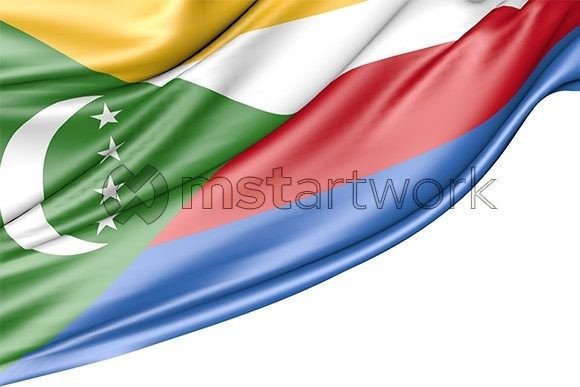
Understanding the Philippines Flag 3D Illustration: Symbolism, Usage, and Design Applications
National symbols carry profound weight, serving as visual anchors for history, identity, and collective aspiration. Among these, the Philippine flag stands out with its unique geometry and vibrant color palette. In the digital age, however, the representation of this symbol has evolved beyond flat vector graphics. The Philippines Flag Isolated on White Background, 3D Illustration represents a modern intersection of patriotism and contemporary design technology. This specific visual asset, rendered in high-resolution 3840×2160px JPG format, offers creators, educators, and businesses a versatile tool that bridges traditional respect with modern aesthetic appeal.
Understanding this resource requires looking at it through two lenses: the historical significance of the emblem itself and the practical utility of a high-fidelity 3D render. Whether you are designing educational materials, creating merchandise, or building a corporate presentation, grasping the nuances of this asset ensures your project is both visually striking and culturally respectful.
The Anatomy and Meaning Behind the Design
Before utilizing any digital asset of the Philippine flag, it is essential to understand what is being represented. A 3D illustration adds texture, lighting, and depth, but the core elements must remain accurate to maintain integrity. The flag is not merely a decorative pattern; every component tells a story of the nation’s journey.
Decoding the Colors and Symbols
The Philippine flag consists of a horizontal bicolor with equal bands of royal blue and crimson red, and a white equilateral triangle at the hoist. In the center of the triangle sits a golden-yellow sun with eight primary rays, representing the first eight provinces that revolted against Spanish colonial rule. Three five-pointed stars surround the sun, symbolizing the three main island groups: Luzon, Visayas, and Mindanao.
When working with a Philippines Flag Isolated on White asset, color accuracy is paramount. The blue should be a specific shade of royal blue (not navy or sky blue), and the red must be a vivid scarlet. The 3D rendering process enhances these colors through simulated lighting, giving the fabric a sense of realism. However, designers must ensure that the shading does not distort the official hues. The white triangle represents liberty, equality, and fraternity, while the sun embodies unity, freedom, and democracy. Understanding these meanings helps creators place the flag in appropriate contexts rather than treating it as generic clip art.
The Advantage of 3D Illustration in Modern Media
Why choose a 3D illustration over a standard flat graphic? The answer lies in engagement and versatility. Flat vectors are excellent for official government documents or strict protocol adherence, but 3D renders excel in commercial, educational, and creative spaces where visual interest drives attention.
Visual Depth and Realism
A 3D illustration simulates how light interacts with fabric. This creates folds, shadows, and highlights that make the image feel tangible. For social media content or website headers, this realism stops the scroll. It transforms a static symbol into a dynamic visual element that feels current and polished. The "isolated on white background" feature is particularly crucial here. It allows the 3D object to be easily composited onto any other background without tedious masking or edge cleanup, saving hours of post-production work.
Resolution and Technical Specifications
The specified resolution of 3840×2160px corresponds to 4K Ultra HD standards. This high pixel density serves multiple purposes:
- Print Clarity: At this resolution, the image remains crisp when printed on large formats like posters or wall art, as well as small items like stickers and mugs.
- Digital Flexibility: Users can crop into specific sections of the flag (such as the sun or stars) without losing quality, allowing for detailed macro shots in presentations.
- Future-Proofing: As display technologies advance, having a 4K source file ensures the asset remains usable for years to come.
Practical Applications Across Industries
The versatility of a high-quality JPG 3D flag extends far beyond simple decoration. Its isolated nature makes it a chameleon in various professional and personal projects.
Educational and Institutional Use
In classrooms and training modules, visual aids significantly improve retention. A 3D flag can be integrated into history lessons, civics presentations, or cultural orientation videos. Unlike a worn-out textbook photo, a pristine 3D render captures the imagination of students accustomed to high-definition media. Teachers can overlay text explaining the symbolism directly next to the relevant part of the flag, using the white space provided by the isolation effectively.
Commercial and Print-on-Demand Products
For entrepreneurs and designers, this asset is a cornerstone for patriotic merchandise. The 3D aesthetic works exceptionally well on products where texture matters:
- Apparel: T-shirts and baby clothes benefit from the soft, fabric-like appearance of the 3D render, which looks more organic than a harsh vector stamp.
- Drinkware: Mugs and tumblers often use curved surfaces; a 3D illustration with existing lighting gradients adapts better to cylindrical wrapping than flat images.
- Paper Products: Greeting cards, scrapbooking kits, and heat transfer paper require high DPI to avoid pixelation. The 3840×2160px specification ensures professional-grade output.
Digital Content and Social Media
Content creators celebrating Independence Day, National Heroes Day, or Filipino heritage months need assets that stand out in crowded feeds. A 3D flag isolated on white can be placed over video backgrounds, used as a thumbnail element, or incorporated into Instagram stories. The depth of the illustration adds a premium feel to digital greetings and announcements, signaling effort and quality to the audience.
Navigating Etiquette and Common Misconceptions
While the artistic application of the flag is broad, users must navigate legal and cultural sensitivities. Using a digital asset does not exempt one from the Flag and Heraldic Code of the Philippines (Republic Act No. 8491).
Respectful Representation
A common misunderstanding is that digital art allows for total creative liberty with national symbols. While a 3D style is acceptable, altering the fundamental proportions, changing colors for artistic effect, or adding unauthorized logos onto the flag is prohibited. The 3D illustration discussed here maintains strict adherence to the correct design while only enhancing the presentation through lighting and texture. Always verify that the asset you use respects the official specifications.
The "White Background" Utility vs. Protocol
It is important to distinguish between the file's white background and the flag's usage. The white background is a technical convenience for designers, not a suggestion to always display the flag on white. In fact, proper protocol dictates specific ways the flag should be displayed relative to other flags or podiums. When integrating this JPG into a larger design, ensure the final composition honors these protocols. For example, never let the flag touch the ground or appear tattered in your 3D render unless specifically depicting a historical wartime context, which requires extreme sensitivity.
Optimizing Your Workflow with High-Res Assets
To get the most out of a Philippines Flag Isolated on White Background file, consider these best practices for integration:
- Color Management: Ensure your workspace is set to the correct color profile (CMYK for print, RGB for web) to prevent the vibrant red and blue from shifting during export.
- Shadow Preservation: When removing or replacing the white background, be careful not to erase the drop shadows inherent in the 3D render. These shadows are what sell the illusion of depth. Use blending modes like "Multiply" to integrate shadows naturally onto new backgrounds.
- Scaling Intelligently: Always scale down from the 3840×2160px master file rather than upscaling smaller versions. If you need a transparent PNG version, convert the high-res JPG using professional tools to maintain clean edges around the complex geometry of the sun and stars.
Conclusion: Bridging Heritage and Innovation
The Philippines Flag Isolated on White Background, 3D Illustration is more than just a digital file; it is a testament to how tradition adapts to new mediums. By combining the solemnity of national symbolism with the accessibility of modern 3D design, this asset empowers Filipinos and creatives worldwide to express pride in innovative ways. Whether used for a child’s school project, a business presentation, or a piece of wearable art, the key lies in balancing aesthetic appeal with informed respect. Armed with a high-resolution 4K asset and an understanding of its deeper meaning, users can create works that are not only visually stunning but also culturally resonant, ensuring the Philippine flag continues to shine brightly in both physical and digital realms.