Understanding the Guinea-Bissau Flag: Symbolism, 3D Design, and Creative Applications
National flags are more than mere colored cloth; they are condensed narratives of history, struggle, and aspiration. When we encounter a high-quality digital asset like the Guinea-Bissau flag isolated on white background, we are looking at a bridge between historical significance and modern digital utility. Whether you are an educator preparing a lesson on West African history, a graphic designer working on an international campaign, or a creator designing print-on-demand merchandise, understanding both the symbolism of this specific flag and the technical advantages of its 3D illustration format is essential.
This guide explores the deep meaning behind the colors and symbols of Guinea-Bissau, while also providing practical insights into utilizing high-resolution (3840×2160px) JPG assets for professional and personal projects. By combining cultural literacy with technical know-how, you can ensure your use of this national emblem is both respectful and visually impactful.
The Historical and Cultural Significance of the Flag
To use the Guinea-Bissau flag effectively in presentations, web design, or apparel, one must first understand what it represents. Adopted upon independence from Portugal in 1973, the flag is heavily influenced by the Pan-African movement and the African Party for the Independence of Guinea and Cape Verde (PAIGC). It serves as a visual testament to the nation's liberation struggle and its hopes for the future.
Decoding the Colors and Symbols
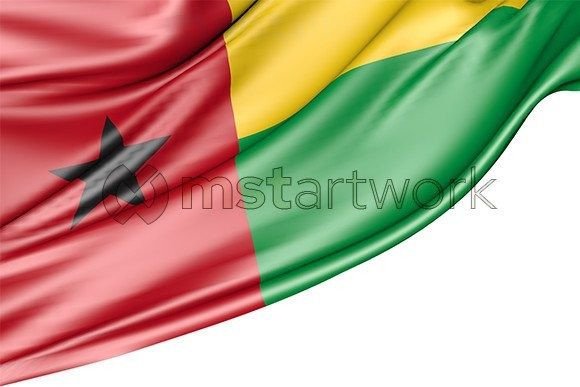
The design consists of two equal horizontal bands of yellow (top) and green (bottom), with a vertical red band at the hoist side containing a black five-pointed star. Each element carries specific weight:
- The Red Vertical Band: This represents the blood shed during the struggle for independence and the sacrifices made by those who fought for freedom. In a 3D illustration, this section often appears with enhanced depth to emphasize its foundational role in the nation's identity.
- The Yellow Horizontal Band: Symbolizing the sun, labor, and prosperity, yellow reflects the optimism of the people and the wealth of the land. It acknowledges the hard work required to build a sovereign nation.
- The Green Horizontal Band: Representing the lush forests and agriculture that sustain the country, green stands for hope and the natural resources of Guinea-Bissau. It grounds the flag in the physical reality of the territory.
- The Black Star: A quintessential Pan-African symbol, the black star represents African unity and dignity. It links Guinea-Bissau to the broader continental movement against colonialism and toward self-determination.
When integrating this flag into educational materials or cultural projects, acknowledging these meanings transforms a simple graphic into a storytelling device. It prevents the misuse of national symbols and adds layers of authenticity to your work.
The Technical Advantage of 3D Illustration on White Backgrounds
In the realm of digital design, flat vector graphics have their place, but 3D illustrations of the Guinea-Bissau flag isolated on white offer distinct advantages for modern media consumption. The specific asset described here—a 3840×2160px JPG file—is optimized for versatility across various platforms.
Why Choose a 3D Render?
A 3D rendering simulates lighting, texture, and fabric physics. Unlike a flat rectangle, a 3D flag illustration captures the way light interacts with the surface, creating shadows and highlights that suggest movement and materiality. This realism is particularly effective for:
- Digital Presentations: Slides often suffer from looking sterile. A 3D flag adds tactile quality and visual interest without cluttering the slide, especially when placed against clean backgrounds.
- E-Commerce and Mockups: If you are selling products featuring the flag, customers respond better to realistic previews. A 3D render helps visualize how the emblem looks on curved surfaces like mugs or draped fabrics.
- Social Media Engagement: Platforms like Instagram and Facebook prioritize high-engagement visuals. The depth perception in 3D art tends to stop the scroll more effectively than flat clip art.
The Importance of Isolation and Resolution
The specification "isolated on white background" is critical for workflow efficiency. While PNGs with transparency are popular, high-resolution JPGs on pure white backgrounds remain a standard for print-on-demand and certain web applications because they maintain color fidelity and compression efficiency at 4K resolutions (3840×2160px).
For designers, a white background allows for easy masking. Modern software can remove a pure white background in seconds, giving you the flexibility of a transparent layer while retaining the superior color data of a JPG. Furthermore, the 4K resolution ensures that whether you are printing a small sticker or a large poster, the edges remain crisp and the gradients smooth, avoiding the pixelation that plagues lower-quality assets.
Practical Applications Across Industries
The versatility of a high-quality Guinea-Bissau flag asset extends far beyond geography textbooks. Here is how different sectors can leverage this specific design format.
Education and Academic Research
Educators teaching African studies, political science, or post-colonial history require accurate visual aids. A 3D illustration provides a respectful and polished representation suitable for academic posters, lecture slides, and student handouts. The high resolution ensures that text projected onto screens remains legible alongside the flag, maintaining professional standards in the classroom.
Print-on-Demand and Merchandise
Creators focusing on diaspora communities, cultural heritage apparel, or international sports fans can utilize this asset for print-on-demand services. The 3840×2160px resolution is sufficient for most textile printing needs. Common applications include:
- Apparel: T-shirts, hoodies, and baby clothes celebrating Bissau-Guinean heritage.
- Accessories: Mugs, phone cases, and tote bags where the 3D effect mimics the look of embroidered patches or printed fabric.
- Paper Products: Greeting cards, scrapbooking elements, and stickers where the isolation on white makes placement intuitive.
Note: Always verify licensing rights before using any digital asset for commercial merchandise to ensure compliance with intellectual property regulations.
Web Design and Digital Marketing
Websites covering travel, international relations, or cultural events benefit from consistent visual language. Using a 3D flag isolated on white allows web designers to place the emblem over various colored sections of a site without clashing. The neutral white border acts as a buffer, ensuring the flag’s vibrant red, yellow, and green do not vibrate against conflicting background colors.
Common Misunderstandings and Best Practices
Even with high-quality assets, errors can occur. Addressing common misconceptions ensures your project maintains integrity.
Color Accuracy Matters
One frequent issue in digital reproduction is color shifting. The specific shades of red, yellow, and green in the Guinea-Bissau flag are standardized. A poor-quality scan might make the yellow appear orange or the green too dark. Using a professionally rendered 3D illustration typically guarantees accurate color calibration, but always cross-reference with official government specifications if precision is mandatory.
Orientation and Proportions
Flags have correct orientations. The red band must always be on the hoist side (left when viewing the front). Flipping the flag horizontally is a significant error that can be perceived as disrespectful. Additionally, while 3D renders may show the flag waving, the underlying proportions of the bands should remain faithful to the official 1:2 ratio. Artistic license in 3D rendering should enhance, not distort, national symbols.
Contextual Respect
While the flag is available for creative use, it remains a national symbol. When using it for commercial products like baby clothes or party supplies, avoid associating the emblem with offensive imagery, political satire, or inappropriate contexts. Understanding the solemnity of the red band (representing blood and sacrifice) should guide creators to treat the image with appropriate dignity, even in celebratory designs.
Integrating the Asset Into Your Workflow
Maximizing the value of a 3840×2160px JPG requires proper file management. Because this is a raster image, scaling up beyond its native resolution will result in quality loss. However, for most digital and print applications up to poster size, this resolution is ideal.
For those needing transparency, consider using non-destructive editing techniques to preserve the original white-background version as a master file. This allows you to revert to the pristine source if future projects require the white backing. Additionally, when placing the flag on websites, ensure you serve appropriately sized versions to maintain fast load times, reserving the full 4K file for print or high-density displays.
Conclusion
The Guinea-Bissau flag isolated on a white background in 3D illustration format is a powerful tool that merges cultural heritage with modern design technology. By understanding the profound symbolism of the red, yellow, and green bands and the black star, users can approach their projects with the necessary respect and context. Simultaneously, leveraging the technical benefits of high-resolution, realistically rendered assets enables superior outcomes in education, commerce, and digital media.
Whether you are crafting a presentation, designing a t-shirt, or building a website, this asset offers the clarity, quality, and versatility needed to represent Guinea-Bissau accurately and beautifully. In a world where visual communication is paramount, choosing the right representation is not just an aesthetic decision—it is an act of cultural appreciation and professional excellence.