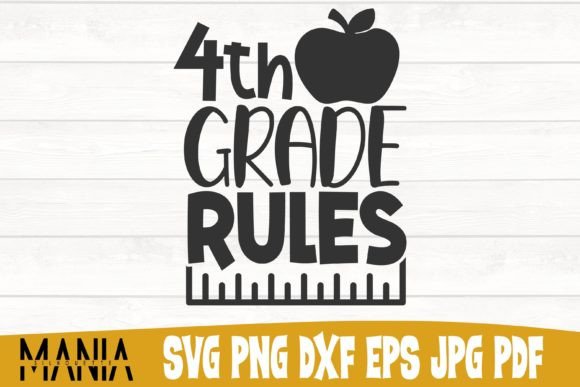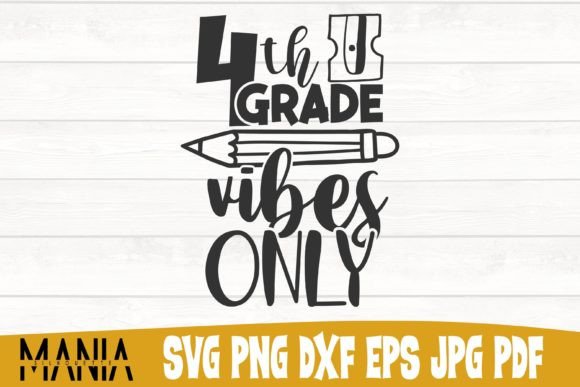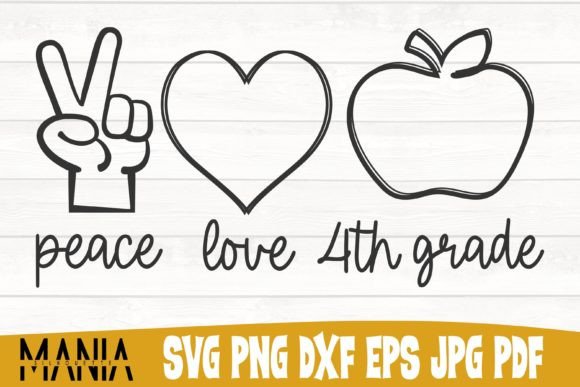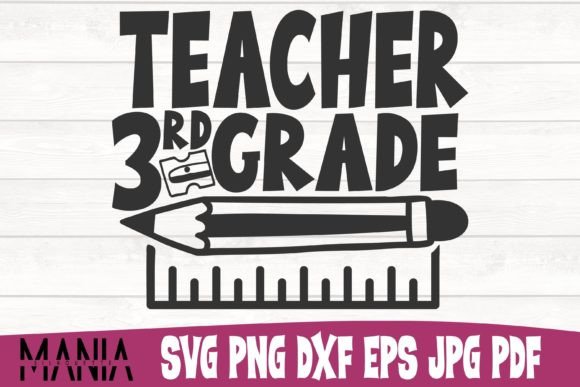
Teacher Fourth Grade: Elevating Classroom Creativity with Premium Digital Assets
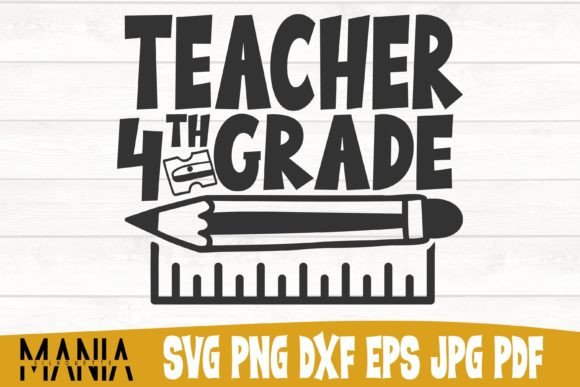
The identity of a fourth-grade educator is distinct within the educational landscape. It represents a pivotal transition year where students move from learning to read to reading to learn, requiring teachers to balance academic rigor with engaging, age-appropriate visual communication. In this context, "Teacher Fourth Grade" is more than a job title or a search term; it is a brand of instruction that demands high-quality resources. Modern educators and creative entrepreneurs supporting them are increasingly turning to professional-grade digital assets to bridge the gap between curriculum requirements and student engagement. The availability of meticulously crafted design packs has transformed how classroom materials, apparel, and educational decor are produced, shifting the workflow from time-consuming DIY attempts to streamlined, professional creation.
This evolution in resource acquisition is driven by a need for efficiency and quality. Teachers and small business owners serving the education sector no longer have the luxury of spending hours troubleshooting pixelated images or incompatible file formats. The current market standard requires assets that are immediately usable across multiple platforms. A premium pack designed specifically for this niche addresses these pain points directly by providing a comprehensive suite of file types. When a design package includes SVG files perfectly designed for Cricut and Silhouette Studio, PNG files with transparent backgrounds, EPS files for editing, JPEG files for iron-on machines, DXF files, and a PDF containing all clip art in one place, it eliminates technical friction. This allows the creator to focus entirely on the pedagogical or aesthetic application rather than software compatibility.
The Shift Toward Professional-Grade Educational Design
The era of generic, low-resolution clip art is fading. As digital literacy increases among both educators and parents, there is a heightened expectation for visual polish in educational environments. Fourth grade is often the year where students begin to take ownership of their learning environment, and the visual quality of classroom signage, personalized rewards, and instructional aids plays a subtle but significant role in setting a tone of respect and professionalism. This shift mirrors broader trends in the creator economy, where accessibility to professional tools has raised the baseline for what constitutes acceptable design.
For the modern teacher-creator or the freelance designer building an education-focused portfolio, this means leveraging assets that offer infinite expandability. Vector-based formats ensure that a graphic looks just as crisp on a small notebook sticker as it does on a large classroom banner. This scalability is not merely a convenience; it is a necessity for maintaining brand consistency across different mediums. Whether printing on a baby shirt for a teacher’s child or creating a massive wall decal for a school hallway, the integrity of the design remains intact. This flexibility empowers users to take complete control of their projects without the historical limitations of proprietary cartridges or locked ecosystems, fostering a culture of customization that resonates with today’s personalized learning approaches.
Technical Versatility as a Workflow Multiplier
One of the most significant barriers to entry in digital crafting and educational design is software fragmentation. A teacher might own a Cricut Explore at home but use Adobe Illustrator at school, while a freelance designer might need to deliver files to clients using Silhouette Studio or Sure Cuts A Lot. Premium asset packs solve this interoperability challenge through comprehensive file inclusion. By offering DXF files alongside industry-standard EPS and SVG formats, these packs ensure that no user is left behind due to their choice of hardware or software.
This technical inclusivity extends beyond cutting machines. The inclusion of editable EPS files opens doors for advanced customization in Adobe Illustrator, Photoshop, and even 3D editing software. For marketers and bloggers in the education space, the transparent PNG files are indispensable for overlaying graphics onto website headers, social media posts, or digital worksheets without unsightly white boxes. Meanwhile, the dedicated JPEG files optimized for iron-on machines cater to the growing trend of custom apparel for grade-level teams, field trips, and school spirit wear. Having all these variations organized in a single PDF reference document streamlines the selection process, reducing the cognitive load associated with file management. This level of organization reflects a deep understanding of user needs, acknowledging that in a busy teaching schedule or a tight client deadline, time spent searching for the right file is time lost.
Meticulous Craftsmanship and Layered Organization
Quality in digital design is defined not just by aesthetics but by structural integrity. Files that are "meticulously crafted by designers" and feature "well-defined, continuously tested layers" represent a significant departure from auto-traced or poorly converted vectors. For users of Cricut and Silhouette Studio, clean layers mean the difference between a smooth cut and a jagged mess. It means being able to change the color of a specific element without affecting the rest of the design, or removing a background element that isn't needed for a particular project.
This attention to detail is crucial for fourth-grade specific content, which often involves intricate typography, playful illustrations, and multi-element compositions. Flawless vector paths ensure that weeding vinyl is manageable and that print-to-cut registration marks align perfectly. For professionals selling physical products or digital downloads based on these assets, this reliability protects their reputation. A flawed file leads to wasted materials and frustrated customers; a tested, premium file builds trust. The assurance that these assets present no flaws allows creators to scale their production confidently, knowing that the foundational elements of their work are sound.
Practical Applications Across Educational and Creative Sectors
The utility of a comprehensive Teacher Fourth Grade design pack extends far beyond simple decoration. In practical terms, these assets serve as building blocks for a wide array of functional and commercial applications. Educators utilize them to create differentiated learning materials, such as leveled reading badges or math center labels, where visual cues help students navigate independent work. The ability to resize graphics without quality loss means a single master design can be adapted for anchor charts, desk tags, and digital slide decks, ensuring visual coherence throughout the learning experience.
For entrepreneurs and freelancers, these packs enable rapid product development. The compatibility with major editing software allows for the creation of unique derivatives, supporting business models based on customization. A marketer might use the EPS files to design a cohesive campaign for back-to-school season, while a hobbyist could use the SVG files to create personalized gifts for teacher appreciation week. The cross-platform nature of the pack means that a single purchase supports multiple revenue streams or creative outlets. This versatility is particularly relevant as the lines between teaching, content creation, and small business ownership continue to blur. Many educators now supplement their income through Teachers Pay Teachers or Etsy, and having a reliable library of high-quality, commercially viable assets is a cornerstone of that entrepreneurial success.
Future-Proofing Creative Resources
As technology evolves, so do the devices and software we use to create. Investing in assets that support a huge list of software and printing devices is a strategy for future-proofing one's creative library. While specific machine models may change, standard file formats like SVG, EPS, and DXF remain constant pillars of digital design. By choosing packs that adhere to these universal standards while also catering to niche requirements like iron-on JPEGs, users protect their investments against obsolescence.
Furthermore, the trend toward hybrid workflows—combining physical crafting with digital design—is accelerating. The inclusion of files suitable for both 3D editing software and traditional 2D cutting machines positions these assets at the intersection of current and emerging technologies. This forward-looking compatibility ensures that as new tools enter the market, existing asset libraries remain relevant. For the fourth-grade teacher planning next year’s classroom theme, or the designer anticipating future client needs, this adaptability is invaluable. It transforms a simple graphic pack from a disposable resource into a permanent fixture in the creative toolkit.
Ultimately, the value of a Teacher Fourth Grade premium pack lies in its ability to empower users. By removing technical barriers, ensuring flawless quality, and providing unmatched versatility, these resources allow educators and creators to focus on what truly matters: connecting with students, building communities, and expressing ideas with clarity and beauty. In a world where visual communication is paramount, having the right tools is not a luxury—it is a fundamental component of effective teaching and successful creative enterprise. The meticulous organization and broad compatibility of these files reflect a respect for the user’s time and talent, making them an essential asset for anyone dedicated to excellence in fourth-grade education and beyond.