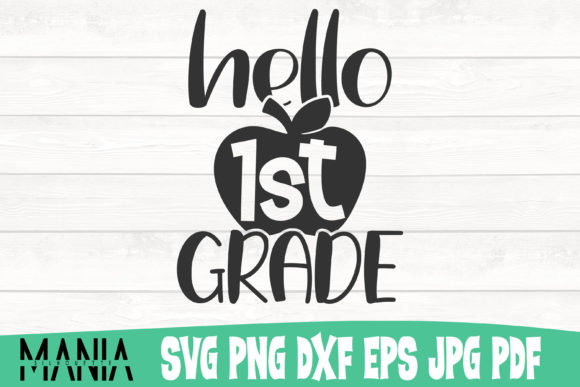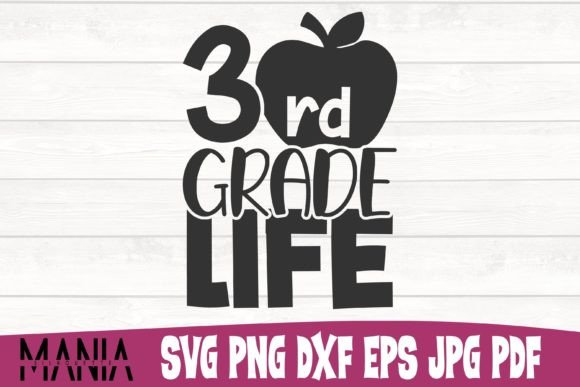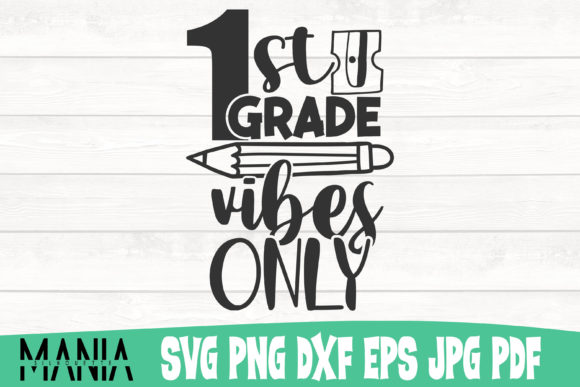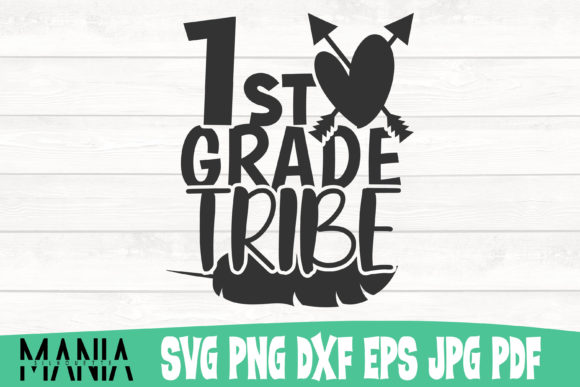
Evaluating the First Grade Life SVG Cut File Design
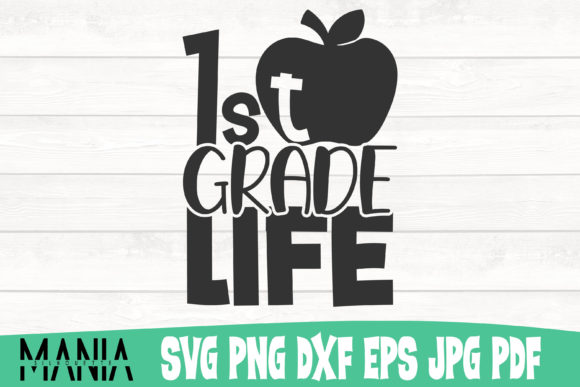
Selecting digital assets for educational crafting requires balancing aesthetic appeal with technical reliability. The First Grade Life SVG Cut File Design serves as a specialized resource for creators focusing on early elementary education themes. This digital pack is structured to support various production methods, from vinyl cutting to direct-to-garment printing. For parents, teachers, and small business owners evaluating this asset, understanding its technical composition, practical applications, and limitations is essential for making an informed purchasing decision.
Understanding the Asset Composition
The core value of this design pack lies in its multi-format inclusivity. Rather than offering a single file type, the package provides six distinct formats to ensure compatibility across different hardware and software ecosystems. Evaluating these formats helps determine if the pack aligns with your current workflow.
- SVG Files: Includes one vector file optimized for Cricut Design Space and Silhouette Studio. This format preserves node integrity for clean cutting lines.
- PNG Files: Features a transparent background raster image suitable for sublimation, web use, or digital mockups.
- EPS Files: Provides an editable vector source file intended for professional modification in Adobe Illustrator or CorelDRAW.
- JPEG Files: Offers a high-resolution raster format specifically noted for Iron-On machine compatibility and heat transfer applications.
- DXF Files: Supplies a drawing exchange format useful for users of free editions of Silhouette Studio or other CAD-based cutting software.
- PDF Files: Contains all clip art elements consolidated into a single document for easy visual reference and organization.
This comprehensive file structure addresses a common pain point in digital crafting: format incompatibility. By including both vector (SVG, EPS, DXF) and raster (PNG, JPEG) options, the pack reduces the need for external file conversion, which can sometimes degrade quality or alter layer structures.
Technical Quality and Scalability Assessment
A primary consideration when evaluating any cut file is the integrity of the vector paths. The First Grade Life SVG Cut File Design is described as having meticulously organized layers that have been continuously tested. For end-users, this translates to reduced preparation time. Poorly digitized files often contain stray nodes, open paths, or overlapping elements that cause cutting machines to pause or fail. Verified layer organization suggests that the weeding process—the removal of excess vinyl—will be straightforward, which is particularly important for intricate designs involving text or detailed illustrations common in first-grade themes.
Scalability is another critical factor. Because the primary files are vector-based, they offer infinite expandability without pixelation. This characteristic allows the same design asset to be utilized for disparate projects, such as a small pencil case decal or a large classroom banner, without loss of fidelity. While the marketing description hyperbolically references "graving them on the moon," the practical implication is that the mathematical curves defining the image remain smooth at any physical dimension. This flexibility removes the constraints associated with cartridge-based systems, granting users complete control over sizing and proportion.
Software and Hardware Compatibility
Before acquisition, verify that the included formats match your specific equipment. The pack claims broad compatibility, but objective evaluation requires matching specs to tools:
- Cutting Machines: Native support is confirmed for Cricut Explore and Silhouette Studio. Users of Make The Cut or Sure Cuts A Lot should utilize the SVG or EPS formats for optimal results.
- Editing Software: The inclusion of EPS ensures functionality within Adobe Illustrator, Photoshop, and legacy platforms like Flash or After Effects. This makes the pack viable for designers who wish to modify the typography or colors before sending the file to a cutter.
- 3D Applications: While less common for 2D cut files, the vector data can be extruded in 3D editing software for creating dimensional signage or molds.
For users relying solely on mobile devices or basic proprietary software, the pre-formatted SVG and PNG files provide immediate utility. However, those intending to significantly alter the design should prioritize the EPS file and ensure they possess the necessary vector editing skills.
Ideal Use Cases and Target Audience
This design pack is most effective for specific scenarios centered around the transition to first grade. It is a strong fit for:
- Back-to-School Apparel: Creating custom t-shirts for first-day photos or end-of-year celebrations.
- Classroom Organization: Producing labels for bins, cubbies, or reading stations where thematic consistency matters.
- Teacher Gifts: Crafting personalized tumblers, tote bags, or keychains for educators.
- Small Business Inventory: POD (Print on Demand) sellers focusing on seasonal educational niches who require commercial-ready, high-quality vectors.
In these contexts, the "First Grade Life" theme provides immediate relevance, and the multi-format delivery supports diverse product creation without additional asset sourcing.
Tradeoffs and Considerations
While the pack offers significant versatility, potential buyers should weigh certain tradeoffs. The inclusion of multiple file types increases the initial download size and organizational overhead. Users must maintain a disciplined file management system to avoid confusion between similarly named formats. Additionally, while the JPEG is listed for Iron-On machines, experienced crafters often prefer PNG or SVG for heat transfers to maintain transparency and crisp edges; the JPEG may require careful masking depending on the substrate color.
Furthermore, thematic specificity is a double-edged sword. A "First Grade Life" design has a limited shelf life compared to generic school graphics. Once the student advances to second grade, the utility of this specific asset diminishes unless repurposed for younger siblings or general nostalgia projects. Buyers should assess whether the cost-per-use justifies the niche nature of the design.
When to Consider Alternatives
Despite its robust feature set, this pack may not be the optimal choice for every situation. Alternatives should be considered if:
- You Require Editable Text: If the design contains rasterized text rather than live font outlines, you cannot change the wording without advanced graphic design skills. Verify if the text is converted to curves or remains editable based on your needs.
- You Need Commercial Licensing Clarity: Always review the specific license agreement included with the PDF. If the pack does not explicitly grant commercial rights for mass production, and your goal is retail sales, seek a vendor with clearer licensing terms.
- Your Workflow is Exclusively Raster: If you only perform photo printing and never use cutting machines or vector software, the SVG, DXF, and EPS files represent unused value. A dedicated high-resolution PNG pack might be more cost-effective.
- You Prefer Bundled Variety: If you need designs for multiple grade levels simultaneously, purchasing individual grade-specific packs may become expensive. A comprehensive K-5 bundle might offer better economies of scale.
Making the Final Decision
The First Grade Life SVG Cut File Design presents a technically sound solution for creators needing reliable, scalable, and multi-compatible educational graphics. Its strength lies in the meticulous layer organization and broad format support, which mitigates many common technical frustrations in digital crafting. Success with this asset depends on aligning its specific thematic focus and file capabilities with your immediate project goals. By verifying software compatibility, assessing the longevity of the theme, and confirming licensing permissions, users can confidently determine whether this premium pack warrants inclusion in their digital asset library.